
“Best” depends on why you’re considering boric acid, what a healthcare provider recommends, and whether the product clearly tells you what’s inside. Boric acid suppositories are not a general-purpose freshening product or a first step for every vaginal concern. They may be recommended in specific situations, but symptoms can have different causes and may need different care.
This guide walks through what to check before choosing a product, what the evidence says, and how to think about vaginal pH without trying to manage it by guesswork.
What boric acid suppositories are for
Boric acid suppositories are capsules or inserts intended for vaginal use. A clinician may recommend them in select cases of recurrent or difficult-to-treat vaginitis. They are not the same as an oral medicine, a vaginal wash, or a treatment for sexually transmitted infections.
The CDC’s candidiasis guidance describes vaginal boric acid as an option for some cases of recurrent non-albicans yeast infection. Its bacterial vaginosis guidance includes it as one part of a possible combination approach for some people with multiple recurrences. These are specific, time-limited treatment plans, not a recommendation to self-treat every change in odor or discharge.
Symptoms such as itching, irritation, odor, and discharge can overlap across different conditions. If this is your first episode, symptoms keep returning, or you’re unsure what’s causing them, a healthcare provider can help identify the right next step.
How to choose a product
1. Check the amount per suppository
Look for a clear amount of boric acid per insert on the package or product information. A commonly referenced clinician-directed regimen uses 600 mg, but that does not mean 600 mg is right for every person or every concern. The CDC’s recommendations apply to specific situations and treatment plans.
If the amount isn’t stated clearly, don’t guess based on the product name or a “pH balance” claim. Ask the manufacturer or a healthcare provider before using it.
2. Read the full ingredient list
A clear label helps you understand what you’re inserting and spot ingredients you may prefer to avoid. Check for a complete ingredient list, not just a headline ingredient or a blend described as “natural.” Fragrance, essential oils, or other added ingredients aren’t automatically a sign of a better product.
Purrlz’s Pearl Drop vaginal suppositories are designed around boric acid and include vaginal-only directions. The current product page does not state the exact amount, full ingredient panel, or whether an applicator is included. Check the product packaging or ask Purrlz for those details before choosing it. We believe it should be easy to get straightforward answers about intimate care.

3. Look for clear use directions and responsible packaging
Choose a product labeled specifically for vaginal use, with straightforward directions and an identifiable manufacturer. Check that it is sealed and that the package includes a lot number and expiration date. Follow its storage instructions, and keep it safely away from children and pets.
Boric acid is harmful if swallowed. Use it only by the route on the label, never by mouth, and don’t use loose boric acid powder, household products, or a capsule meant to be taken orally.
4. Consider the applicator, if there is one
An applicator may make insertion easier for some people, but it doesn’t tell you whether the product is the right treatment. Check whether one is included and follow the package directions. If there’s no applicator, ask a provider or pharmacist how to use the product as directed rather than improvising.
5. Treat bold claims with care
Words like “natural,” “clean,” and “pH balancing” don’t tell you whether a product is appropriate for your symptoms. Look for clear ingredients and instructions, and ask questions when details are missing. A product’s marketing is not a substitute for a diagnosis or a care plan.
What does vaginal pH have to do with it?
Vaginal pH is one piece of a larger picture. It can vary, and a pH reading on its own can’t reliably tell you what is causing symptoms. Boric acid is acidic, but trying to “balance” your pH without knowing what’s going on may delay more suitable care.
If you’re wondering how to balance vaginal pH, start with simple, gentle habits: wash the external vulva with water or a mild product that’s intended for that area, avoid douching, and skip putting cleansers or oils inside the vagina. If you notice a persistent change in odor, discharge, or comfort, consider checking in with a provider instead of repeatedly using pH products.
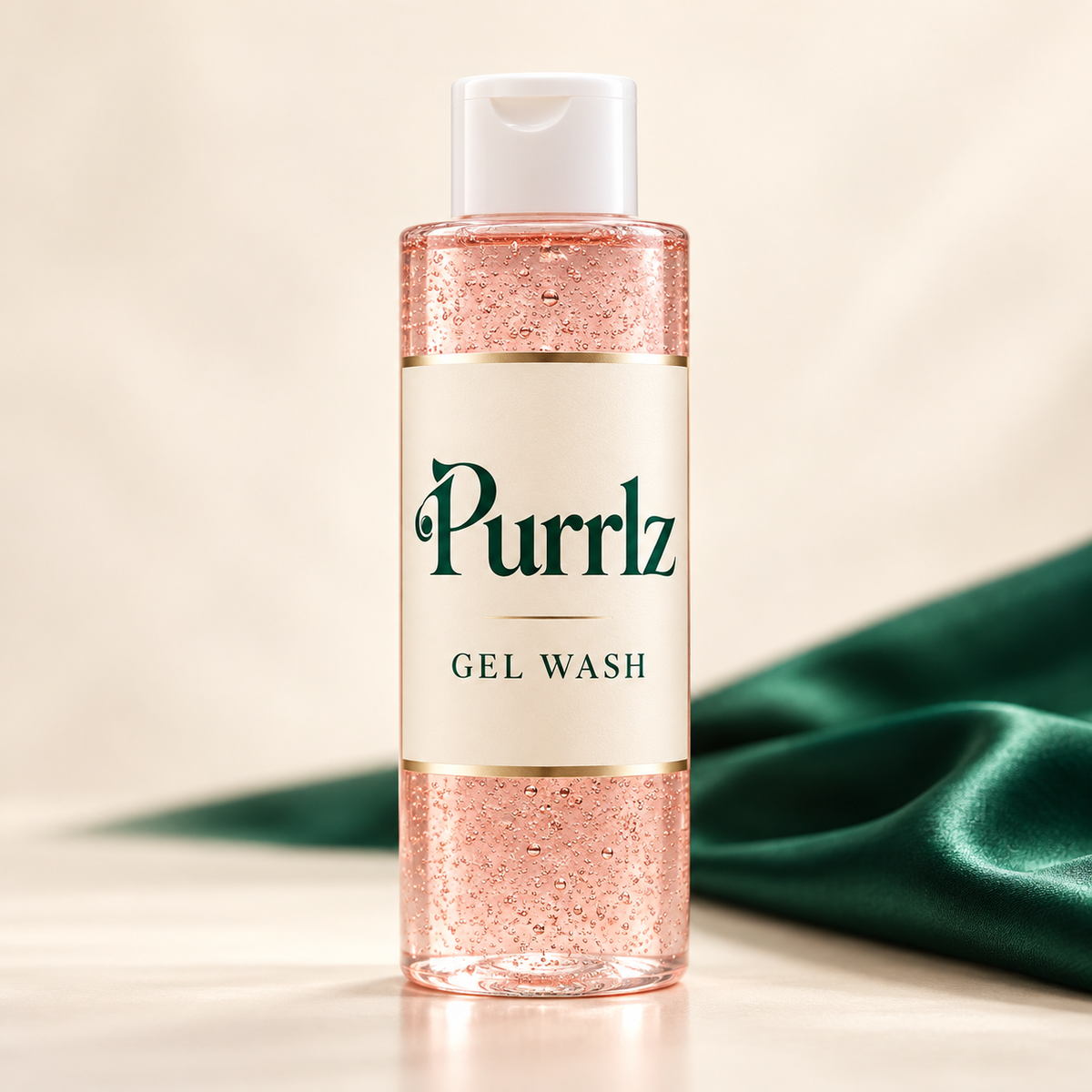
Purrlz products have different purposes, too. Fresh Start gel wash is described as a pH-balanced wash for intimate skin; use it externally and follow its label. Cloud Nine boric acid foam wash is a wash, not an insertable suppository or a replacement for diagnosis and treatment.
Comfort is personal, and needs can change
Dryness or friction can affect comfort at different stages of life. A personal lubricant is a separate product from a boric acid suppository; it may help with comfort during intimacy but is not a treatment for infection or vaginal pH concerns. Smooth Move personal lubricant is designed to make intimacy more comfortable.
Body oils, including Soft Touch, are for external skin care. Keep them out of the vagina unless a product label specifically says otherwise.

When to pause and ask a provider
Boric acid is not for everyone. Do not use it during pregnancy. If you’re trying to conceive, breastfeeding, or unsure whether it’s suitable for you, ask a healthcare provider first. Evidence on pregnancy safety is limited, and published safety reviews advise caution.
Stop and seek guidance if use causes significant irritation or your symptoms worsen. If you swallow a suppository, contact Poison Control in the U.S. at 1-800-222-1222 or seek urgent help; the Missouri Poison Center’s guidance explains why these products must be kept away from the mouth and stored safely.
A simple checklist
Before choosing among boric acid suppositories, ask:
- Is it clearly labeled for vaginal use?
- Does the package state the amount per insert and list all ingredients?
- Are the manufacturer, lot number, expiration date, and directions easy to find?
- Is this the right option for my situation, based on a provider’s advice?
- Have I checked pregnancy precautions and safe storage?
The best choice is the one that fits a clearly understood need, has transparent product information, and is used as directed. You deserve care that feels informed and comfortable, not pressure to treat every change on your own.